
For All Mankind - Season 3
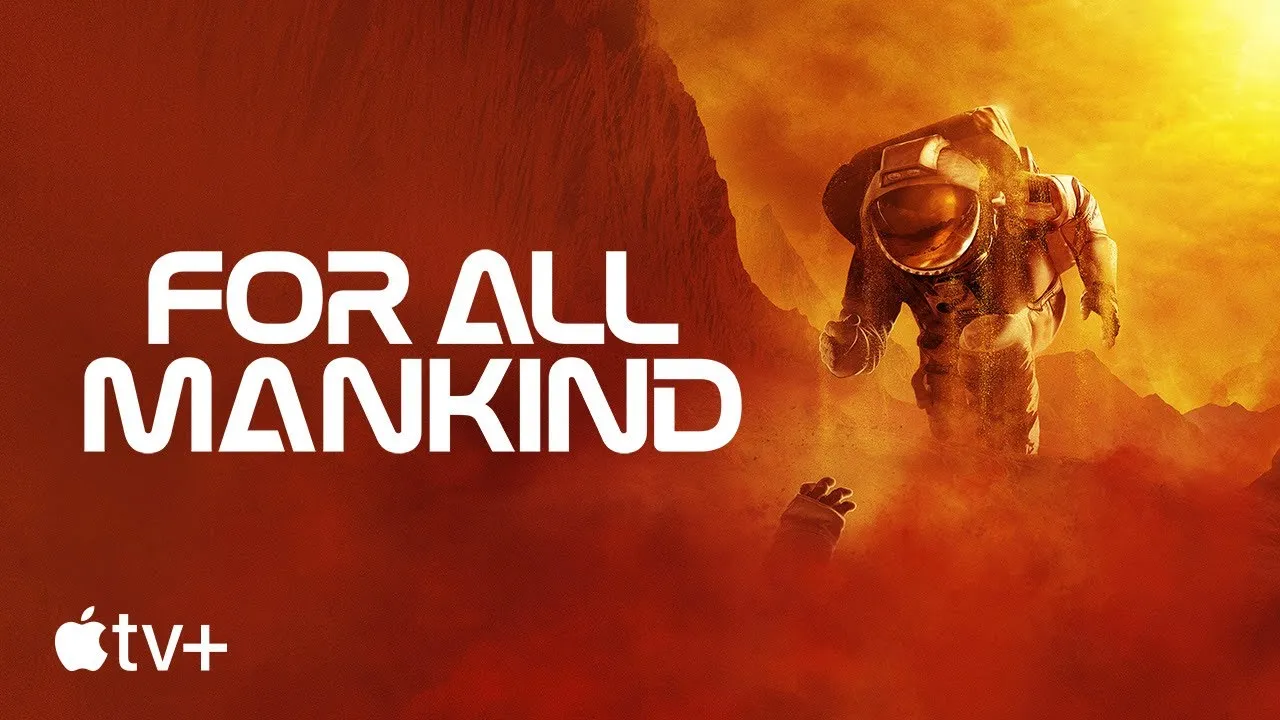
FAM Season 3 was one of those shows I had a heads up that I would be joining. I was top of the list of artists the comp supervisor wanted. And just before I was scheduled to begin, I got the scary request to hop on a call with Zoic’s Head of Production. Turned out he wanted to see if I’d be interested in being a 2D Lead on the show. I agreed, and began work as one of just a couple compositors under comp supervisor Michael Degtjarewsky.
Early Work and Prep
We tackled some of the lighter work early in the season, such as the incident on the orbital hotel; I spent a lot of time working with our lighting team trying to wrap our heads around the rotation of the centrifuge, and thus how Earth should appear out the windows. But our main charge would be the Mars exteriors. And boy, how the shots poured in…
I spent what felt like months (probably just a couple weeks) hunched over my Wacom Cintiq, annotating plates for roto and paint, trying to cover all our bases for what we might need in comp later. This included complex roto for layering in CG visors on space suits, which was aided by my experience on Lucy in the Sky.
Lookdev
Mars Exteriors
One of the key shots I got to take would become the iconic banner of the season: the astronauts and cosmonauts looking out over the Mars landscape. This was one they wanted for the trailer, so we had to push it through the lookdev process early. I sat in on client calls so I could get the client-side VFX supe’s thoughts directly and take my own notes. We were back and forth between our lighting team and my spaghetti-noodle node graph in Nuke, just trying to dial things in.
This ended up teaching us a lot about what we could and couldn’t do with our Unreal Engine environment renders. And it also cemented into place some tried and true techniques that would carry us through the rest of the season. Unlike something like V-Ray, we were very limited in the sort of AOVs we could get, so we had to find new ways to work with the sort of things Unreal could give us. In the end, we mostly treated the environments as though they were plate photography… albeit with the added benefits of a depth matte, camera, and environment geo for every shot. So we resorted to a lot of camera projection.
Visors
Another task I took on was to come up with our comp treatment for the CG visors. This again involved working with lighting to determine what sort of AOVs we would or wouldn’t need (but at least this time was the typical V-Ray workflow). I figured out a reliable way to use our custom roto to stencil out the correct passes of our CG breakout setup. Then I spent some time dialing in the fresnel to get a good sense of the glass edge when in profile. Mixing in the strength of the reflections was a delicate balance, as well as how much we peel everything away to see our actors’ faces.
The first setup for this was quite complex, and I had the nerve-wracking experience of presenting the setup to the whole comp team, and speaking authoritatively on how our visors should look. I’m quite certain my voice was shaking the whole time. But never one to think anything I do is “good enough,” I proceeded to streamline the visor setup for each subsequent episode. By the final episode, which I think had more shots than all the previous ones combined, we were cranking through digital visors like it was nothing.
Supervising
During the course of the show, our in-house VFX supervisor had to depart due to health reasons, and a couple months later, our comp supervisor wrapped early for a pre-scheduled vacation, so responsibilities kept cascading down. Then our producer asked if I’d take on comp supervising on the last episode. Caught off-guard and unsure as I found myself, he assured me that I had the right demeanor for the position, was “a little sarcastic”, and understood the client better than anyone, having been on the show since the beginning. And the prod team would be supporting me along the way.
By the end of the first week off the box, I somehow felt more than ever like I had been hit by a truck. The pressure was more than I anticipated, suddenly being responsible for ALL the shots, instead of a large pile of them. Learning to gauge artists’ strengths and manage their workloads became my new job description, and working until 2 AM Pacific (while I was 2 hours ahead in Central) became a little too familiar.
Watching the season later on, I had a different, more subtle feeling when this episode aired. Instead of “I comped that!”, it was more a feeling of camaraderie—“I helped craft that”—while thinking about the artists who actually executed the work. In the end, I also felt like I was able to leave my creative fingerprint on sequences more than I could while on the box. I remain to this day incredibly proud of the entire team’s work on this show, and the near year I spent contributing to it.
A VFX Case Study by Zoic
Featuring a handful of shots by yours truly.